274 Cabin Crew jobs available now
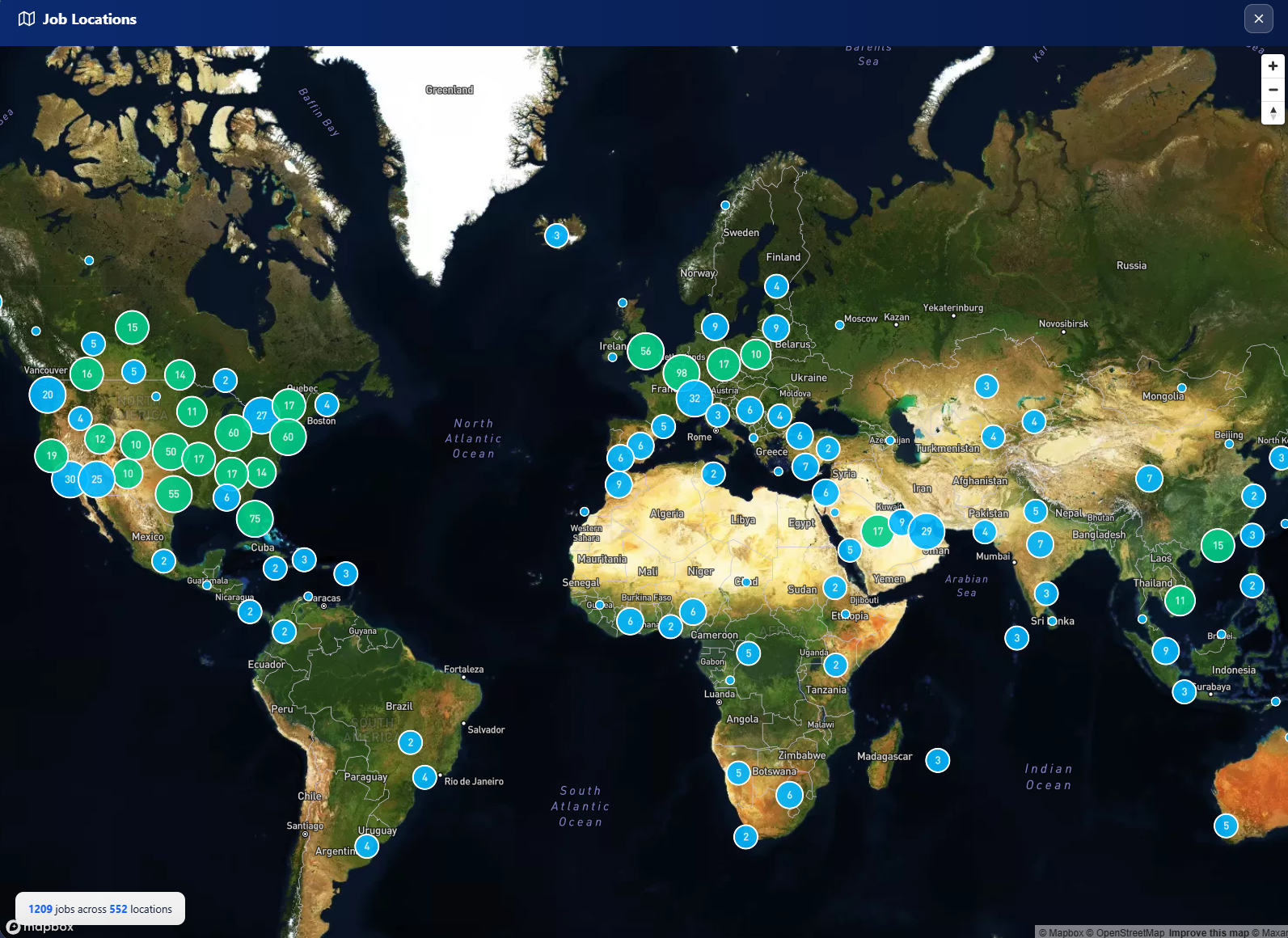
AeroScout lists live cabin crew jobs from airlines and operators worldwide, with new roles added every 24 hours. Every listing shows the airline, the crew base, the contract type and, where the airline publishes it, the pay, and you apply direct to the airline with no agency in the middle. The count and employers shown on this page are live and update as airlines open and close roles.
Pay for cabin crew runs from roughly $20k a year at entry level low cost carriers in Europe up to $80k or more for senior cabin crew and purser roles at Gulf and long haul carriers in the Middle East, often with housing, flight benefits and per diem on top. Each listing below shows the airline's own advertised figure where it is published, so you can compare before you apply.
Most airlines ask for a minimum age of 18 to 21, completed secondary or high school education, fluent English, the right to work in the country of the base, and a vertical reach of around 210 cm so you can reach the overhead lockers. You do not usually need previous flying experience for entry level roles. Searching in the UK? Filter by a UK city such as London or Birmingham, where carriers like Jet2, easyJet and Ryanair recruit.
There are currently 274 open cabin crew roles on AeroScout across 143 employers. The most active employers hiring right now are Ryanair, Solairus Aviation and VietJet Air. Advertised salaries are typically $22k to $60k.
- 143 airlines and operators hiring now
- Salaries typically $22k to $60k
- Visa sponsorship options on select roles
Top employers hiring now
- Ryanair (28 open roles)
- Solairus Aviation (12 open roles)
- VietJet Air (12 open roles)
- Jet2.com (11 open roles)
- Wizz Air (10 open roles)
- Contour (7 open roles)