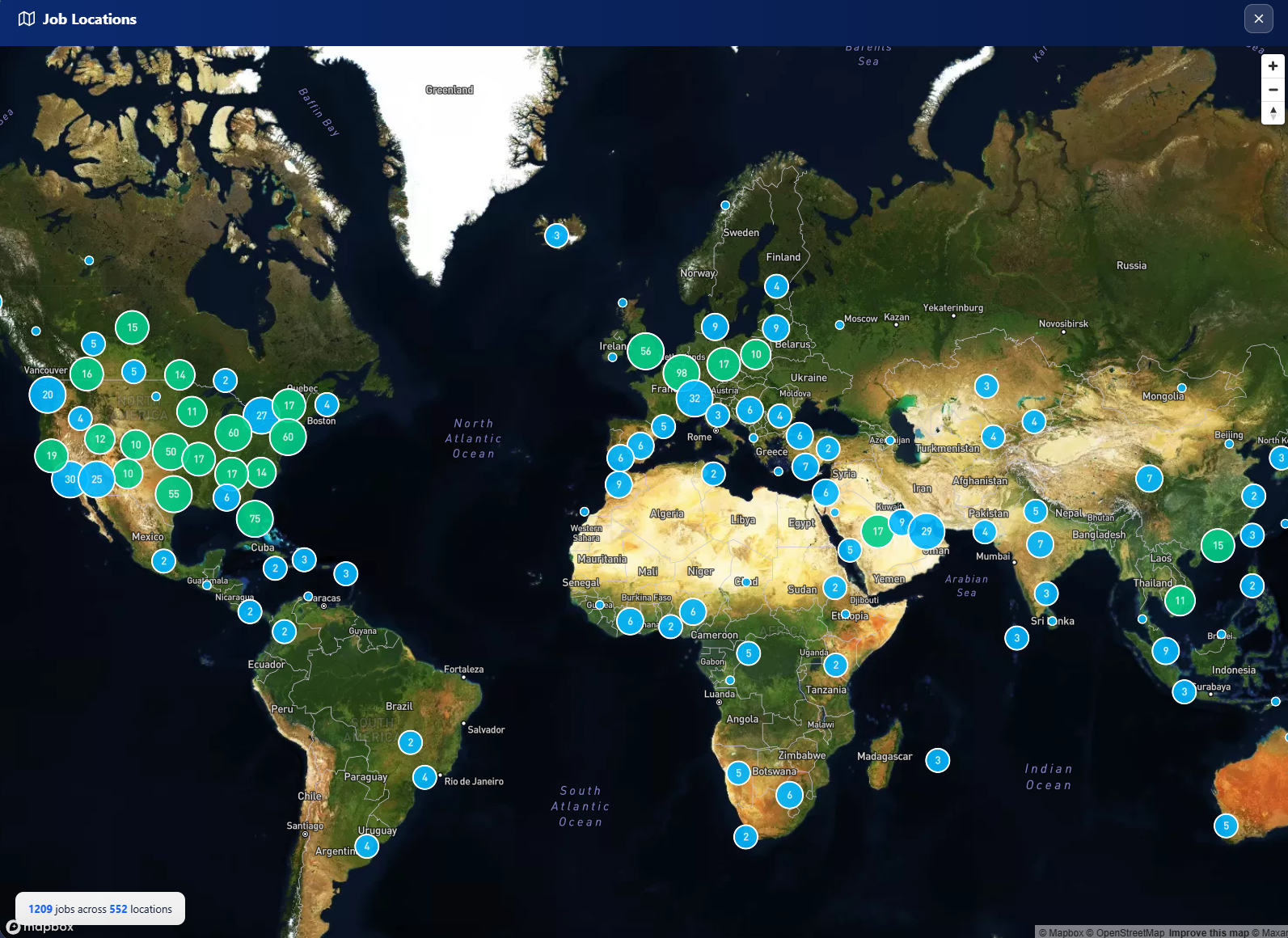
333 Flight Instructor and CFI jobs available now
AeroScout lists live flight instructor and CFI openings, pulled from flight school, airline and training center career pages and refreshed every day. Roles run from primary CFI seats that help you build toward the 1,500 hours for an ATP, through CFII and MEI positions, up to chief flight instructor, simulator and type rating instructor jobs at academies such as CAE, FlightSafety International and Embry Riddle. Every listing shows the ratings required, the aircraft, the location and the pay where the employer publishes it.
Most of these jobs ask for a Commercial Pilot License and a CFI certificate, and adding CFII and MEI ratings opens far more of the board. Entry level instructing is where many pilots build time fast, and a lot of regional airlines recruit straight from the schools their instructors teach at, so the seat is also a pipeline into a first officer job. If you are still in training, see cadet pilot jobs too.
Pay depends mostly on whether you are paid per hour or on salary. Per hour CFI work in the United States commonly runs from about $25 at entry level to $70 or more for instrument and multi engine instruction, while full time salaried instructor jobs at larger academies sit in the $55,000 to $110,000 range. Use the filters to sort by location, aircraft and rating, then open any role below to see the exact requirements and how to apply.
There are currently 333 open flight instructor and cfi roles on AeroScout across 177 employers. The most active employers hiring right now are CAE, FlightSafety International and Airbus. Advertised salaries are typically $20k to $151k. 7 roles offer visa sponsorship.
- 177 airlines and operators hiring now
- Salaries typically $20k to $151k
- 7 roles with visa sponsorship
Top employers hiring now
- CAE (44 open roles)
- FlightSafety International (17 open roles)
- Airbus (14 open roles)
- Lockheed Martin (6 open roles)
- Cirrus Aircraft (5 open roles)
- Emirates (5 open roles)