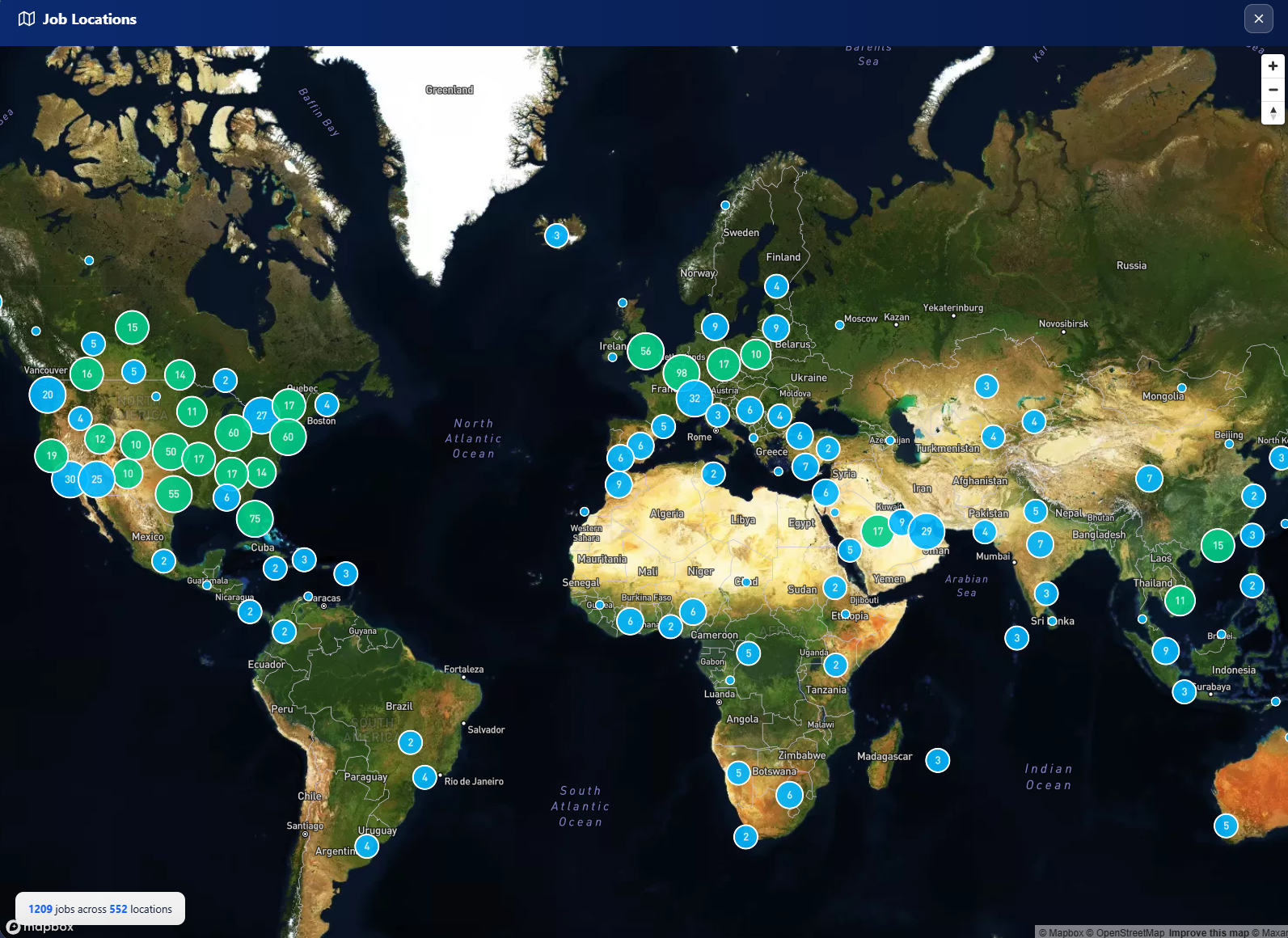
47 ATR Pilot jobs available now
ATR aircraft represent one of the most successful regional aircraft families in aviation, with the twin-turboprop ATR 42 and ATR 72 serving routes across six continents. These fuel-efficient aircraft are perfect for short to medium-haul operations, making them popular choices for regional airlines, charter operators, and cargo carriers. ATR pilots enjoy diverse flying experiences, from challenging mountain approaches to island-hopping routes in tropical destinations.
Flying ATR aircraft requires specific skills in turboprop operations, including power management, prop synchronization, and performance optimization at various weights and altitudes. Most operators require a minimum of 1,500 total flight hours, with many preferring turboprop or turbine experience. The ATR type rating is highly transferable between the 42 and 72 variants, making pilots valuable assets across multiple fleet types.
AeroScout aggregates ATR pilot positions from airlines and operators worldwide, giving you access to opportunities you won't find elsewhere. Our platform connects you directly with hiring managers and recruiters, streamlining your job search process and helping you find the perfect ATR cockpit position to advance your aviation career.
There are currently 47 open atr pilot roles on AeroScout across 31 employers. The most active employers hiring right now are Empire Airlines, ETF Airways and AeroItalia. Advertised salaries are typically $87k to $118k.
- 31 airlines and operators hiring now
- Salaries typically $87k to $118k
- Visa sponsorship options on select roles
Top employers hiring now
- Empire Airlines (5 open roles)
- ETF Airways (4 open roles)
- AeroItalia (2 open roles)
- Air New Zealand (2 open roles)
- Cambodia Airways (2 open roles)
- Danish Air Transport (DAT) (2 open roles)