88 King Air Pilot jobs available now
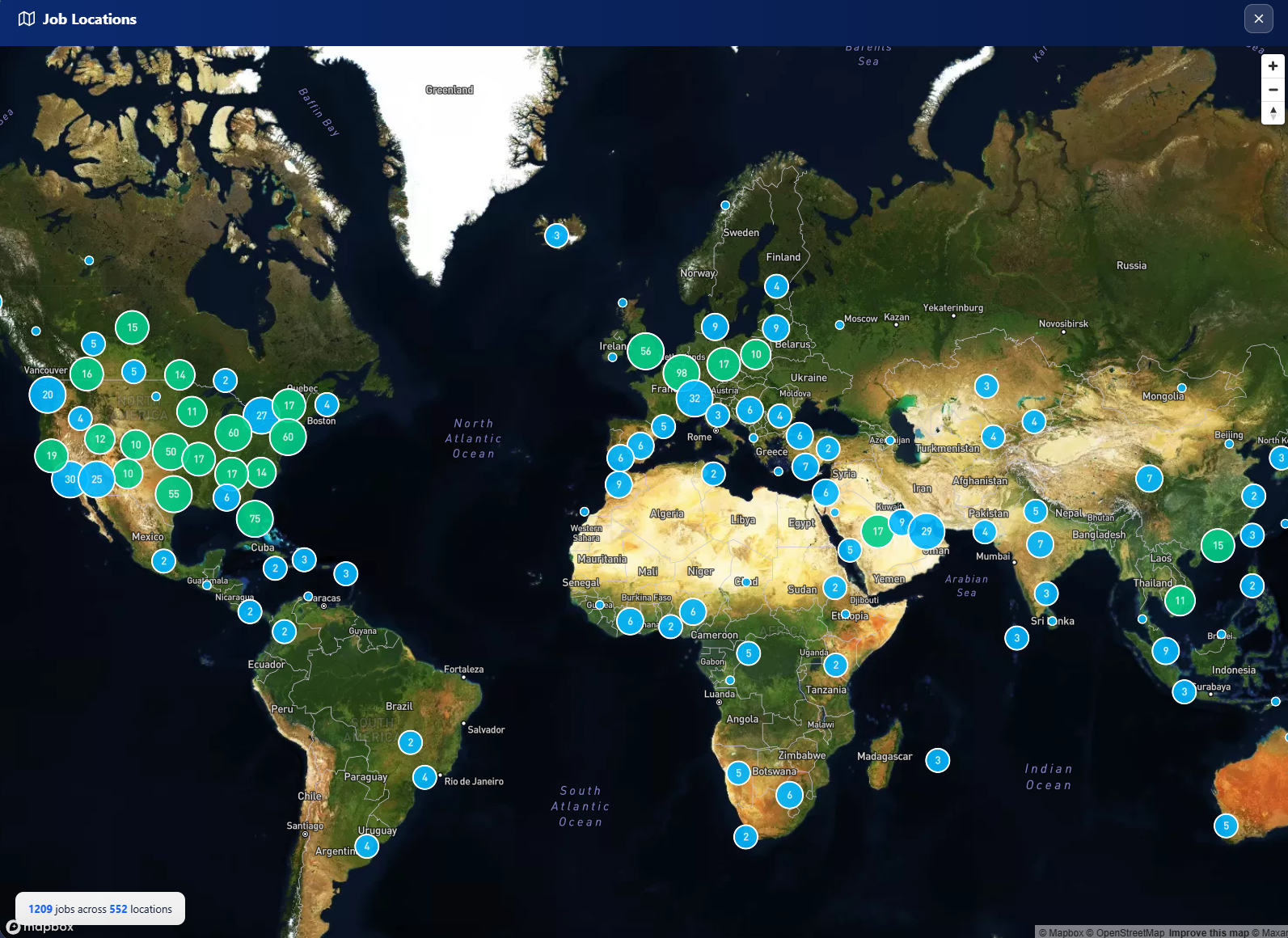
AeroScout lists live King Air pilot jobs from operators worldwide, refreshed every 24 hours. The Beechcraft King Air is one of the most widely flown turboprops in the world, so roles span charter and Part 135, air ambulance, corporate flight departments, cargo, survey and government work. Every listing shows the operator, the base and, where it is published, the pay.
The common types are the King Air 90, 200 and 350. Many are flown single pilot, which makes the King Air one of the best turboprops for building turbine and pilot in command time early in a career, a real step toward a jet or an airline seat.
Most roles want a commercial licence with an instrument rating and some multi engine turbine time, though hour requirements vary widely by operator and mission. The 200 and 350 need a type rating, while the smaller 90 usually needs only a high performance and complex sign off, and many operators will train the rating as part of hiring.
Charter and air ambulance operators are among the biggest King Air recruiters, alongside corporate flight departments and survey companies. Many King Air seats are single pilot captain roles, a common route to a first turbine command. Browse the live roles below and apply straight to the operator.
There are currently 88 open king air pilot roles on AeroScout across 64 employers. The most active employers hiring right now are Silver Air Private Jets, 2Excel Aviation and Air Methods. Advertised salaries are typically $65k to $130k. 2 roles offer visa sponsorship.
- 64 airlines and operators hiring now
- Salaries typically $65k to $130k
- 2 roles with visa sponsorship
Top employers hiring now
- Silver Air Private Jets (4 open roles)
- 2Excel Aviation (3 open roles)
- Air Methods (3 open roles)
- Dynamic Aviation (3 open roles)
- Star Wings (3 open roles)
- Technology Service Corporation (3 open roles)