246 Airline Pilot jobs available now
Airline pilot positions represent the pinnacle of commercial aviation careers, offering opportunities to fly sophisticated aircraft across domestic and international routes. From regional carriers operating turboprop and regional jets to major legacy airlines flying wide-body aircraft, airline pilots enjoy structured career progression, competitive compensation packages, and comprehensive benefits including health insurance, retirement plans, and travel privileges.
Most airline positions require an Airline Transport Pilot License (ATPL) with 1,500 total flight hours, though some regional carriers may hire pilots with lower minimums under specific programs. Type ratings for aircraft like the Boeing 737, Airbus A320 family, or wide-body equipment are typically provided by the hiring airline. Experience requirements vary significantly, with regional airlines often serving as stepping stones to major carrier positions.
AeroScout aggregates airline pilot opportunities from hundreds of carriers worldwide, from established legacy airlines to emerging low-cost carriers and cargo operators. Our platform provides real-time access to the most current openings, helping pilots at every experience level find their next airline position efficiently.
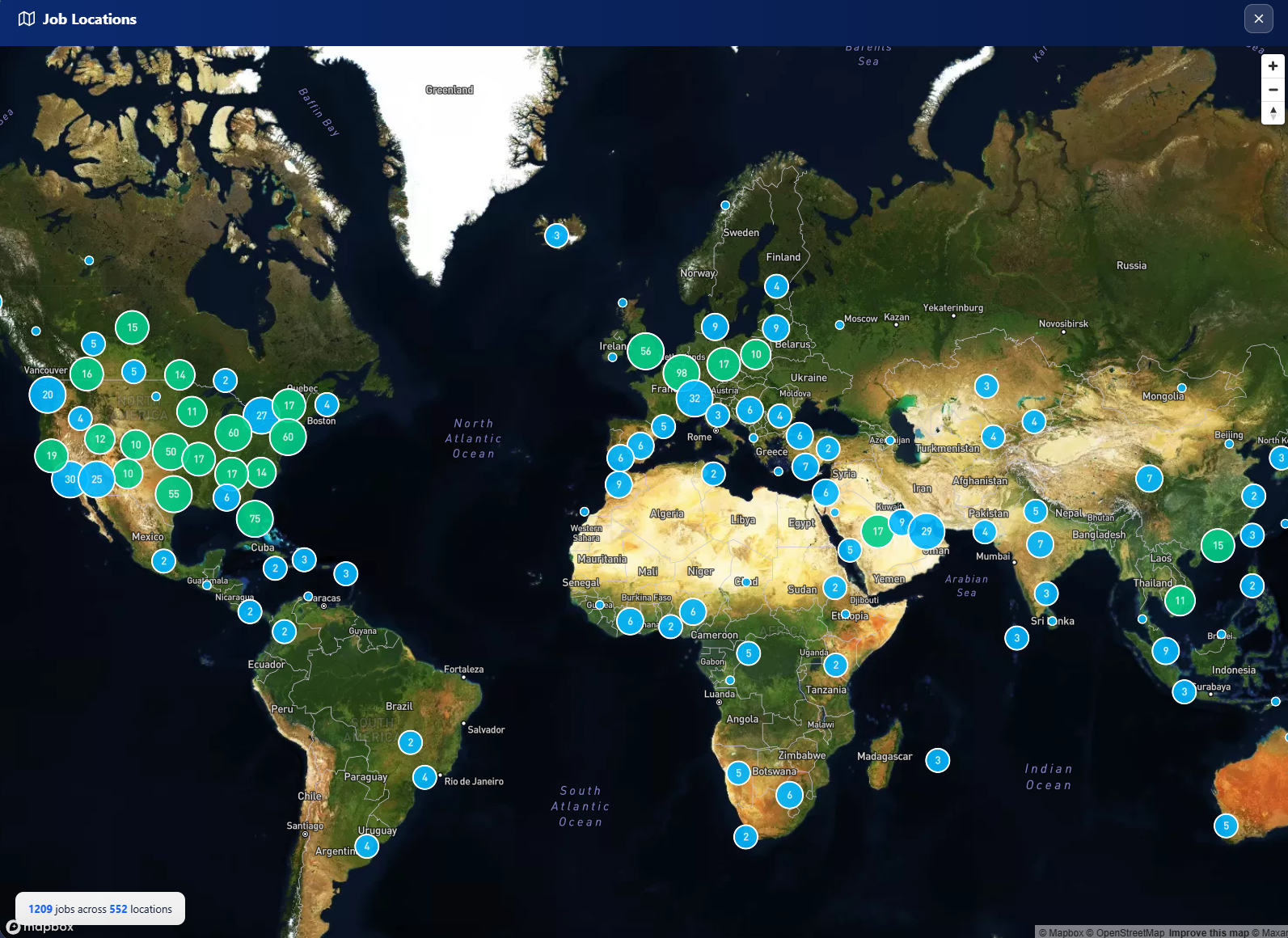
There are currently 246 open airline pilot roles on AeroScout across 164 employers. The most active employers hiring right now are Wizz Air, Airnorth and Emirates. Advertised salaries are typically $81k to $243k. 20 roles offer visa sponsorship.
- 164 airlines and operators hiring now
- Salaries typically $81k to $243k
- 20 roles with visa sponsorship
Top employers hiring now
- Wizz Air (5 open roles)
- Airnorth (4 open roles)
- Emirates (4 open roles)
- ETF Airways (4 open roles)
- Lufthansa City Airlines (4 open roles)
- Ryanair (4 open roles)