Most pilot stories begin in a simulator or a flight-school brochure. I. Arun Gomez's began on a dirt airstrip in the mountains of Papua, in a single-engine Cessna Grand Caravan, for about $11 a flight. The Indonesian pilot spent his early career flying government-subsidised routes into some of the most isolated parts of the country. The pay was small and the conditions were hard, but the flying shaped the rest of his career. Here is his story, in his own words.
Pilot Spotlight is AeroScout's series on real pilots and the paths they took into aviation. Published June 17, 2026.
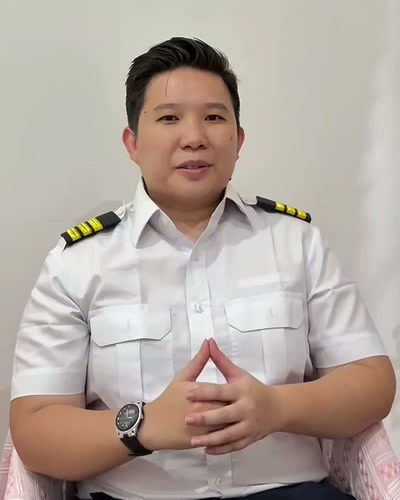
A childhood inspired by a missionary flight
Flying was never a fallback for Arun. He had wanted it since childhood. "I've been drawn to aviation since I was a kid," he says. What fixed the idea was a missionary flight he saw as a boy. It inspired him, he explains, "not just to fly, but to understand the responsibility behind it." The aircraft he watched had come to reach people who had no other way out, and that stayed with him.
That image stuck. A boyhood fascination turned into something stubborn enough to survive the setbacks most aspiring pilots hit. "Over time, it became more than a dream," he says. "It became something I was willing to sacrifice for, and I stayed committed even when things weren't ideal."
The first job nobody hands you
A licence and a job are two different things, and the gap between them ends a lot of flying careers before they start. Arun hit that gap. There was no quick break after he qualified. "After finishing flight training, I had to stay patient and keep looking for opportunities," he recalls. "I built some connections and networking, but like many pilots, it didn't happen immediately."
When the chance came, it wasn't with an airline. A small operator took him on to fly the Cessna Grand Caravan, including remote-area work. The job called for "flexibility and the ability to work in challenging conditions." He took it.
Into Papua's mountains
This was a long way from the polished world of jets. Arun flew into terrain that punishes any lapse in concentration: "short, often unpaved airstrips, surrounded by mountainous terrain, with weather that can change very quickly." Much of it was government-subsidised flying into remote Indonesia, especially Papua, which he calls "both challenging and very rewarding."
The risks weren't only in the flying. Safety, he points out, also meant "being aware of the security situation in certain areas." Every leg took "constant coordination and strong situational awareness to make sure every flight was conducted safely."
What made the work matter was who waited at the other end. Many of the places he flew to were isolated villages where the aircraft was the only link to the outside world. The flying was closer to a public service than a job.
"It wasn't just about flying. It felt like you were delivering essential supplies, connecting families, and supporting communities — and that truly became a part of your life."
$11 a flight
The responsibility was real. The pay was not. Arun earned "around 200,000 Indonesian Rupiah, or 11 dollars, per flight," flying into some of the hardest terrain in the country. It wasn't steady money either. "When there was no flight, there was no income, so I had to live simply and stay very disciplined," he says, before adding, "and thank God for the free accommodation."
It would have been easy to quit. He didn't. As he saw it, the job paid him in something other than money. "I understood that it was part of the journey," he says. "What kept me going was the bigger picture. Every flight was building my experience and helping me develop my skills, and flying in those remote areas gave me a real sense of purpose, because I knew people depended on those flights."
The flight he still remembers
Ask Arun for a defining memory and he doesn't pick a dramatic emergency. He picks an ordinary day that demanded total precision: a runway that was fine in itself, but sat in the wrong place. "The runway itself is good, but it's located in the mountains, surrounded by terrain," he says. "It required full concentration and precision, especially with the short runway conditions." The weather gave no margin either. He remembers how fast it could turn, and how it taught him "how critical judgment, preparation, and staying ahead of the situation are in those environments."
The stakes were never abstract. On many days his aircraft was the supply chain, "carrying cargo, food, and passengers into areas that were very remote and only accessible by air." When the weather closed in, he says, "flights can be delayed for days, sometimes even weeks." People waited.
What the Caravan taught him
The biggest lesson of those years had little to do with stick and rudder. "One thing I didn't expect is how much responsibility comes with every decision," he says. "People often see the exciting side of being a pilot, but they don't see the constant need to stay focused and think ahead." Flying, he found, "is not just about handling the aircraft, but about managing risk, staying disciplined, and making the right decisions consistently."
Arun's advice to the next pilot
For anyone facing the same wall he once did — expensive training, a thin job market, no obvious way in — his advice is short on hype. Be patient and trust the process, he says: "Progress in aviation takes time, and it's important to focus on building solid skills rather than rushing. Everyone moves at a different pace." And don't let the obstacles make the decision for you.
"Don't let cost or timing hold you back. The path isn't always straightforward, but there are always different ways to get there. You may have to take it step by step, make sacrifices, and be patient. It's not about how fast you go. It's about not giving up."
This path is still open
Arun's route into aviation isn't a relic. The same remote, single-pilot turboprop flying that gave him his start is hiring today. As of this writing, AeroScout is tracking 36 active Cessna Caravan roles worldwide, some open to pilots with as few as 200 to 250 hours, from Alaska to Botswana to Southeast Asia. One is a Cessna 208 posting in Chad with Mission Aviation Fellowship, the same kind of missionary flying that first made Arun want to fly. If his story resonates, you can browse the live job board here.
Frequently asked questions
What is it like flying the Cessna Caravan in remote Indonesia?
Demanding and high-stakes. Arun describes operating into short, often unpaved airstrips surrounded by mountainous terrain, with weather and visibility that can change in minutes. For the isolated villages he served, the aircraft was frequently the only link to the outside world, carrying cargo, food and passengers.
How much do remote and bush pilots get paid?
Often very little at the start. Arun earned roughly 200,000 Indonesian Rupiah, about $11, per flight, with no income when weather grounded the operation. Like entry-level flying everywhere, the early reward is experience and flight hours rather than salary.
How do new pilots build their first flight hours?
Through accessible first jobs such as flight instructing and remote or single-pilot turboprop operations. As Arun found, it usually takes patience, networking and a willingness to fly in challenging conditions before the better-paid seats open up.
Is flying into remote areas worth it?
For Arun, yes. Beyond building the skills and judgment that advanced his career, the work carried genuine purpose because entire communities depended on his flights. His summary: "It's not about how fast you go. It's about not giving up."
Follow I. Arun Gomez
Arun shares more of his flying and his journey online:
This story is part of Pilot Spotlight
Pilot Spotlight is AeroScout's interview series featuring real pilots and the routes they took into aviation — the setbacks, the first jobs, and what they learned along the way.
Are you a pilot? Want your journey seen by thousands of aspiring aviators? Tell us your story and you could be featured next.